STOP! You Are NOT Incorporated (Yet). The 12-Slide Legal Checklist to Protect Your Personal Assets
The choice of legal entity is crucial to defining your liability, taxes, and financing capability. Before taking the next step, check out this summary of our legal checklist!
Main Entity Types:
Sole Proprietorship: The maximum risk option. The owner has unlimited liability for losses, putting all personal assets at risk.
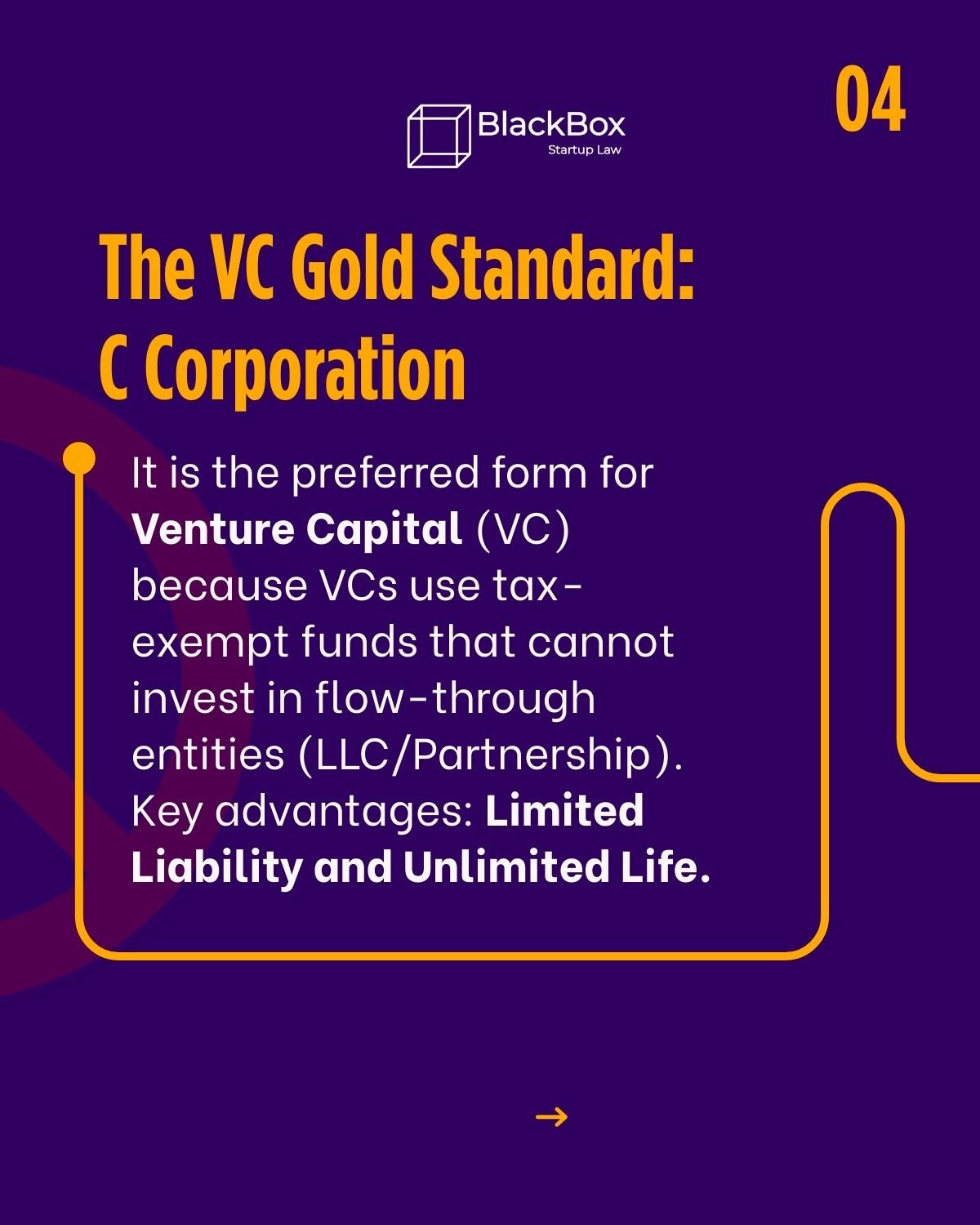
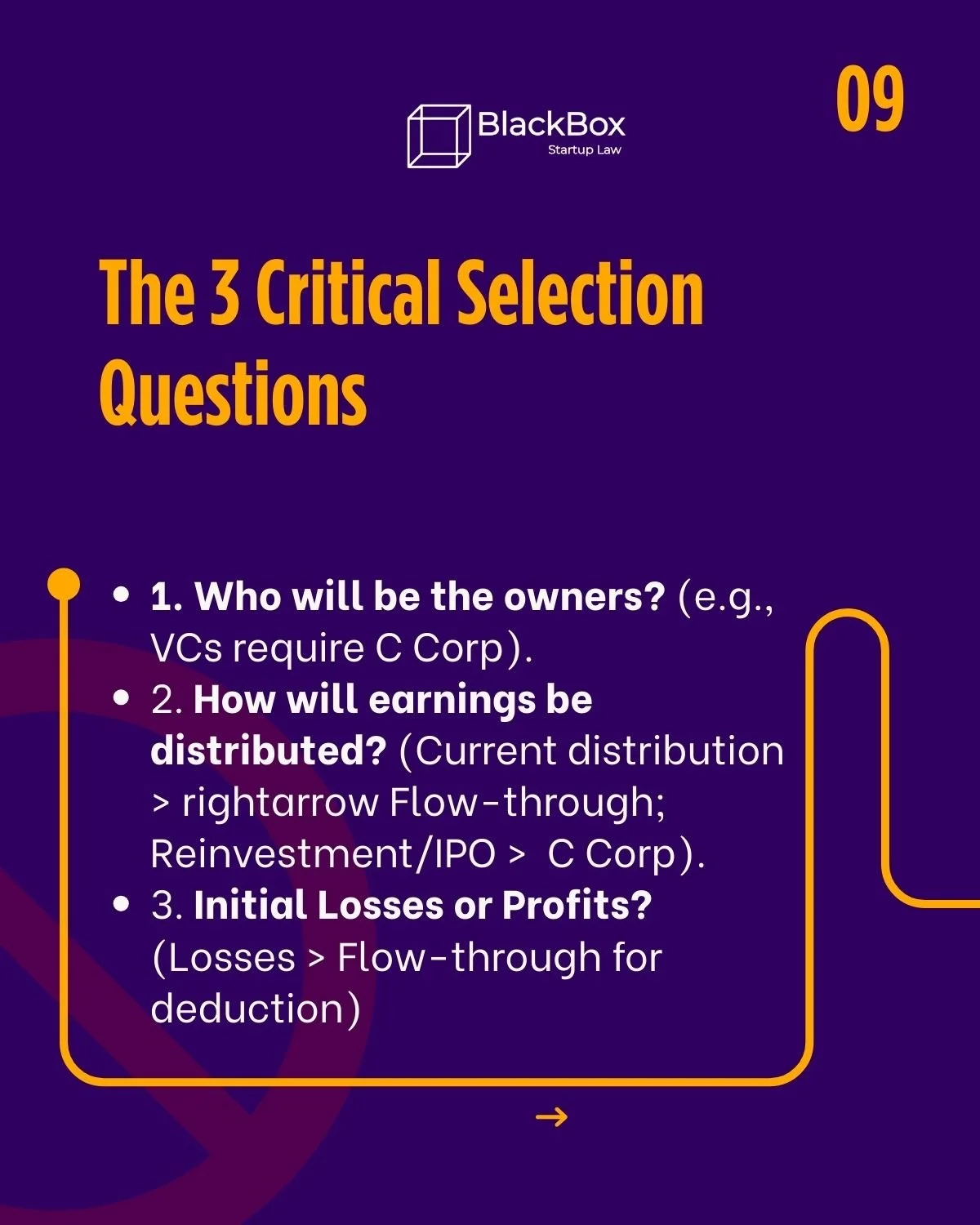
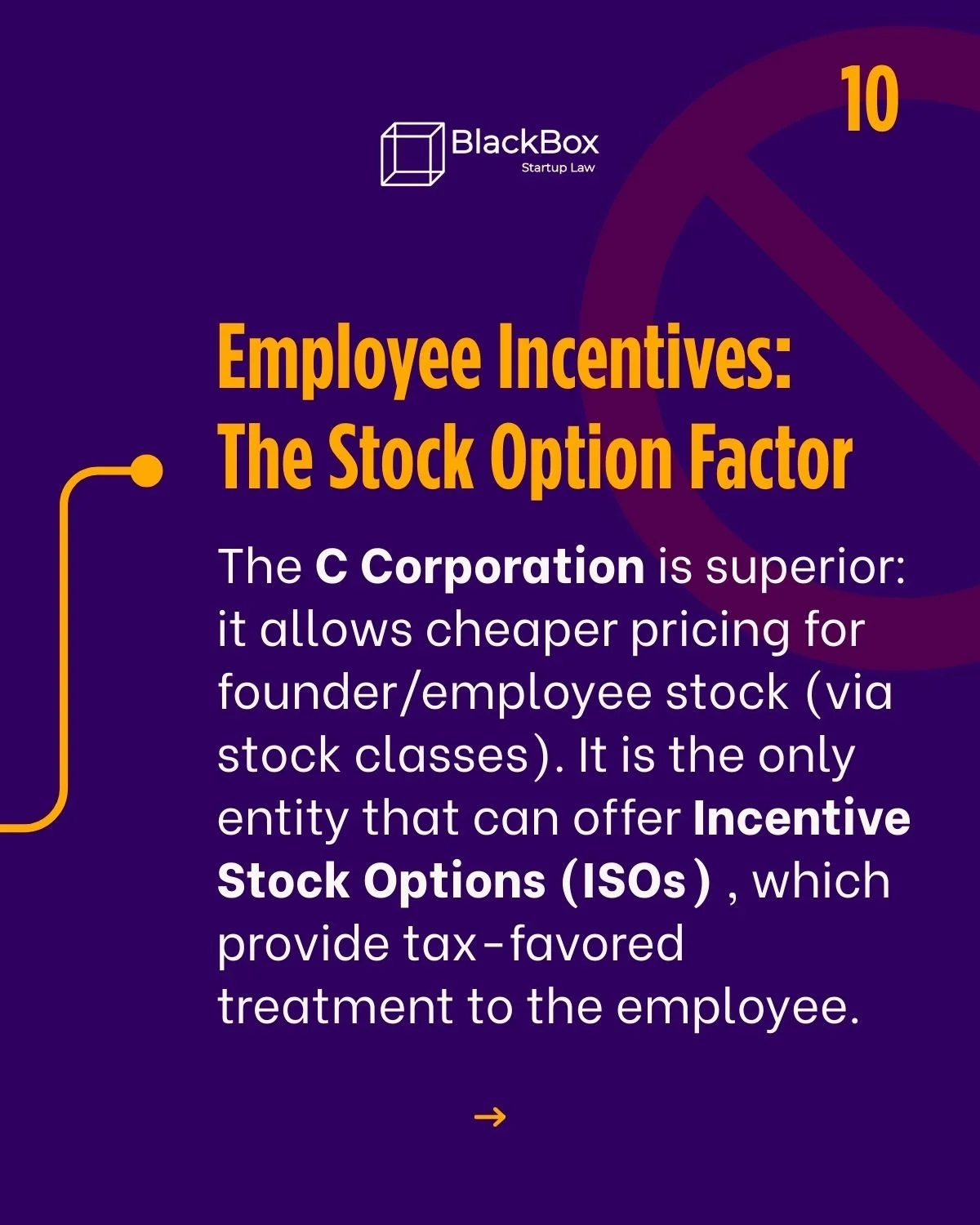
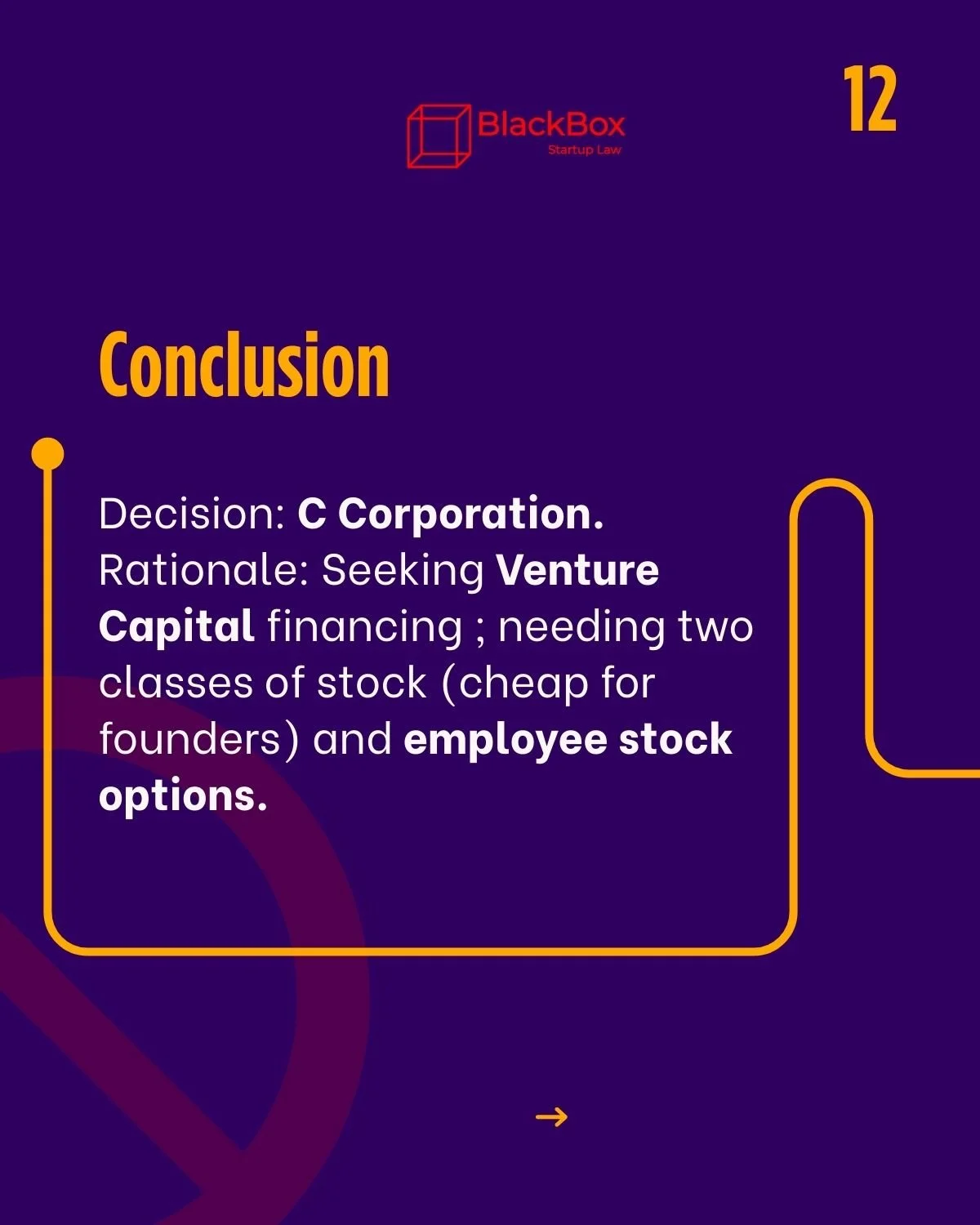
C Corporation: The gold standard for Venture Capital (VC). It is preferred because VCs use tax-exempt funds that cannot invest in flow-through entities (LLC/Partnership). Key advantages include limited liability and unlimited life. It is superior for employee incentives , as it allows cheaper pricing for founder/employee stock and is the only entity that can offer Incentive Stock Options (ISOs), which provide tax-favored treatment to the employee.
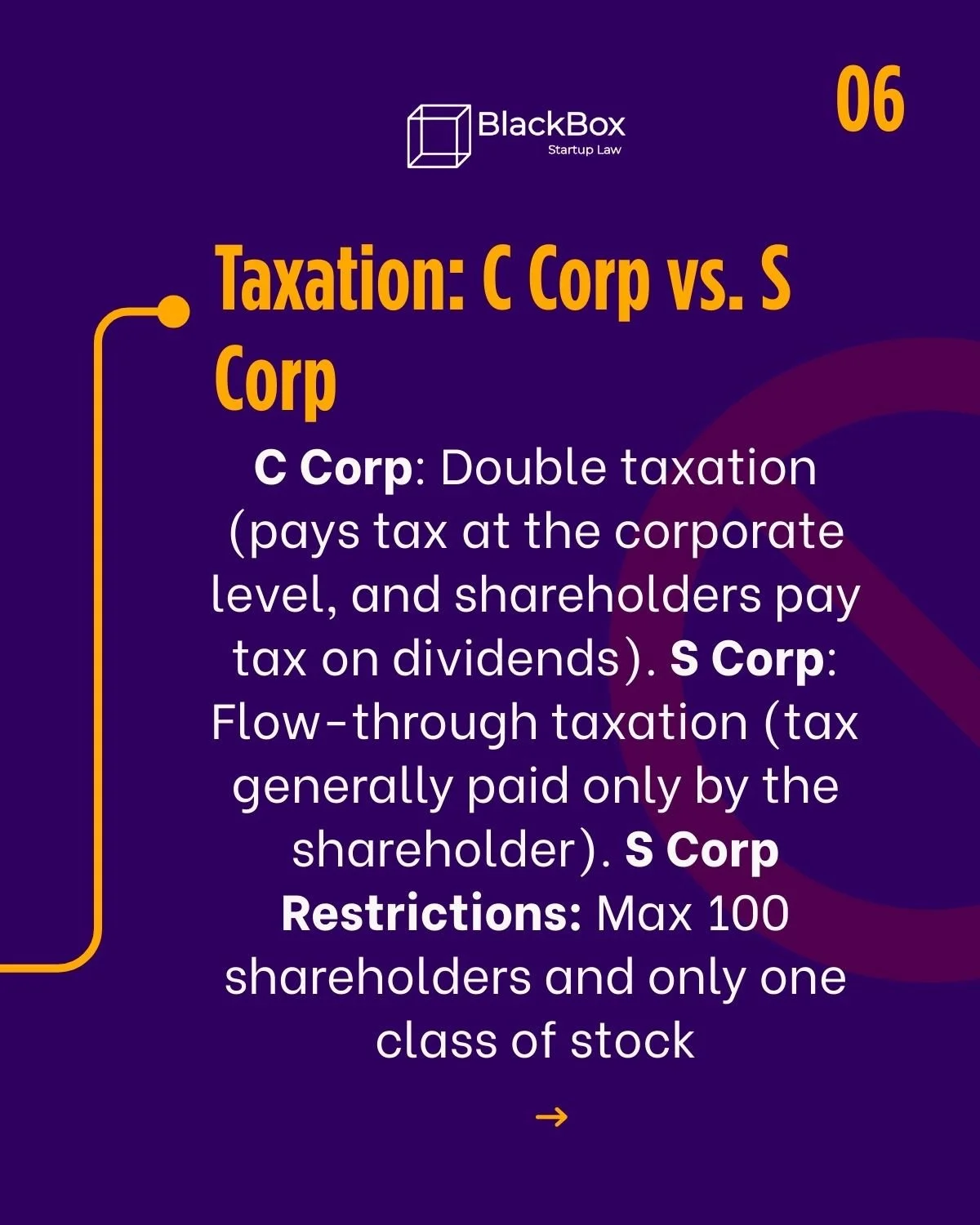
S Corporation: Offers flow-through taxation (tax generally paid only by the shareholder). Restrictions include a maximum of 100 shareholders and only one class of stock.
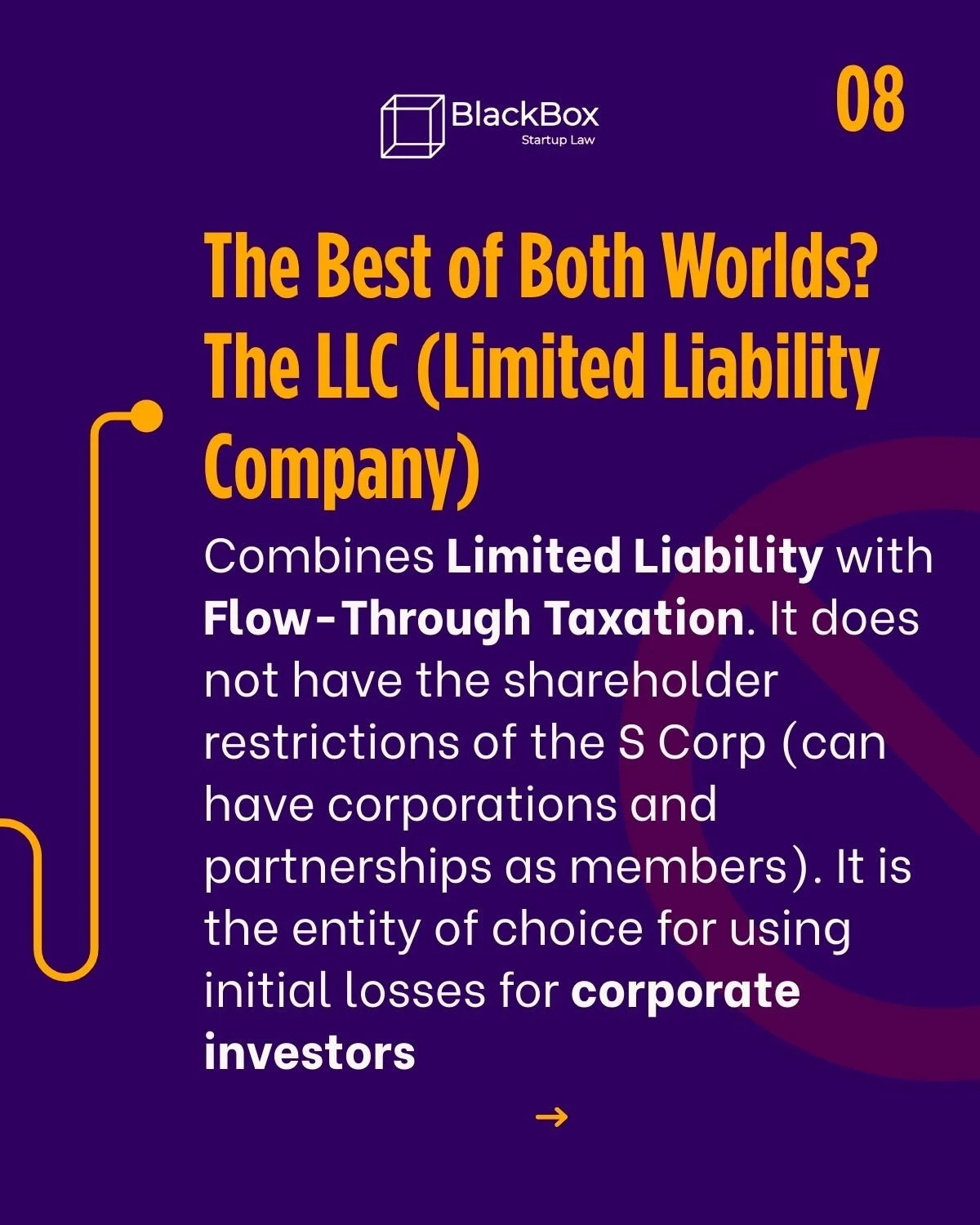
LLC (Limited Liability Company): Combines limited liability with flow-through taxation. It is the entity of choice for using initial losses for corporate investors and does not have the shareholder restrictions of the S Corp (can have corporations and partnerships as members).
Maintaining Limited Liability:
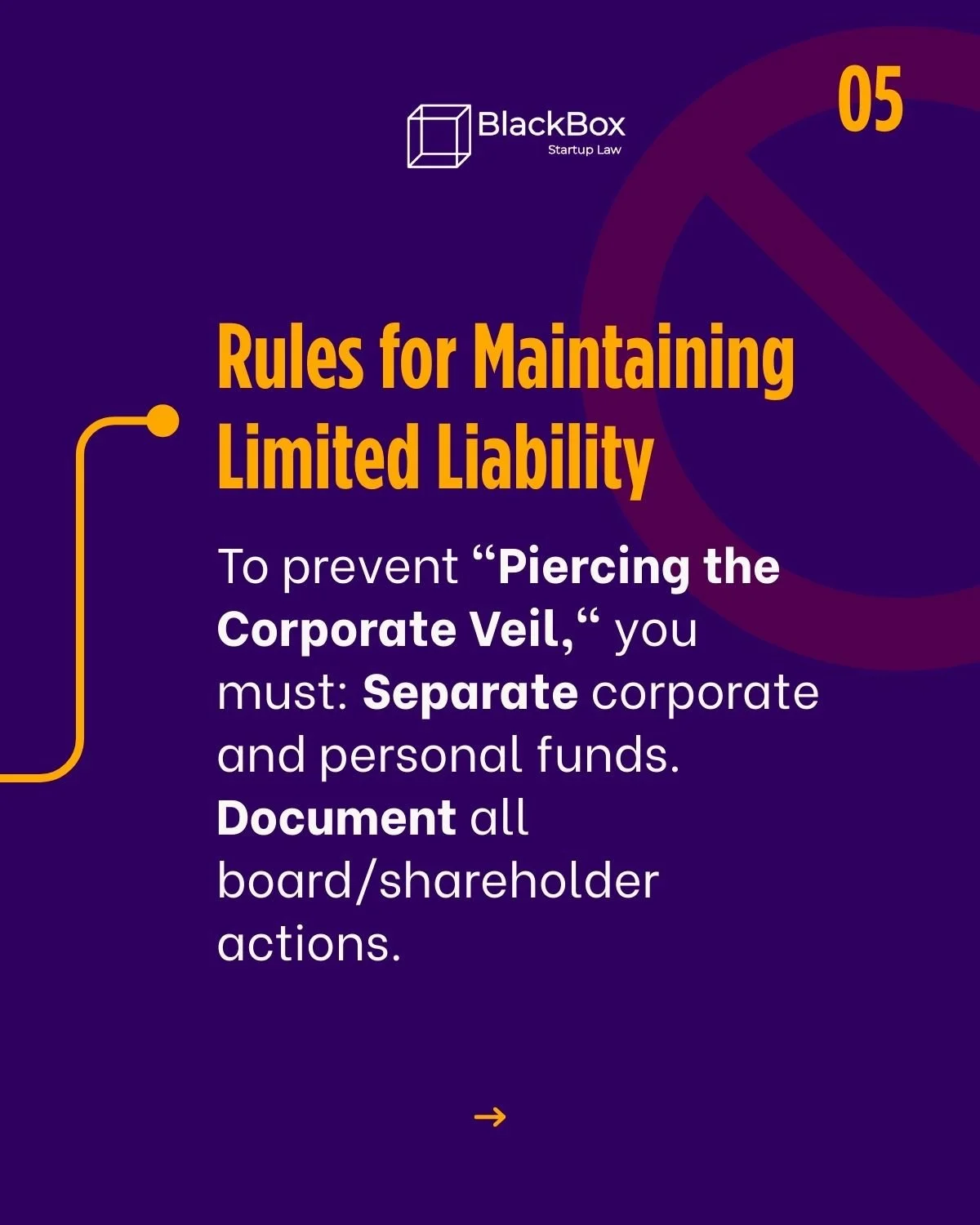
To prevent "Piercing the Corporate Veil," you must separate corporate and personal funds and document all board/shareholder actions.
Essential resource shared by Victor Aguirre López , Carlos Aguerrebere Álvarez, and Iván Guzmán Morales. 🚀 What other factors did you consider when choosing your business's legal structure?